For the people your book can help

Let’s help the person you wrote this for.

You have something you want people to understand. Perhaps it took years to learn. Perhaps you see the same person struggling with the same problem, and you wish you could sit beside every one of them. I want to help you put that care into a book—and give the right reader a useful next step.

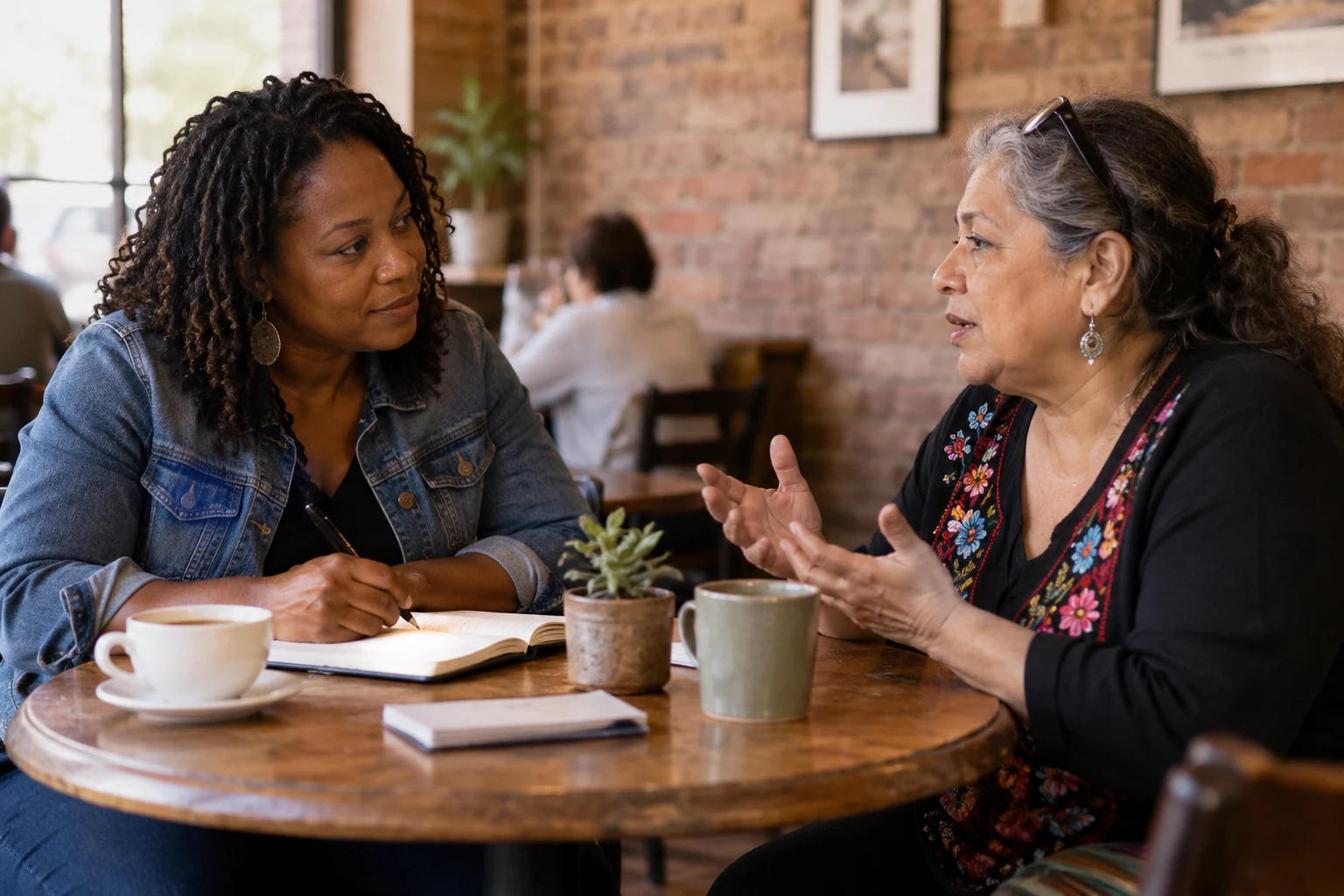
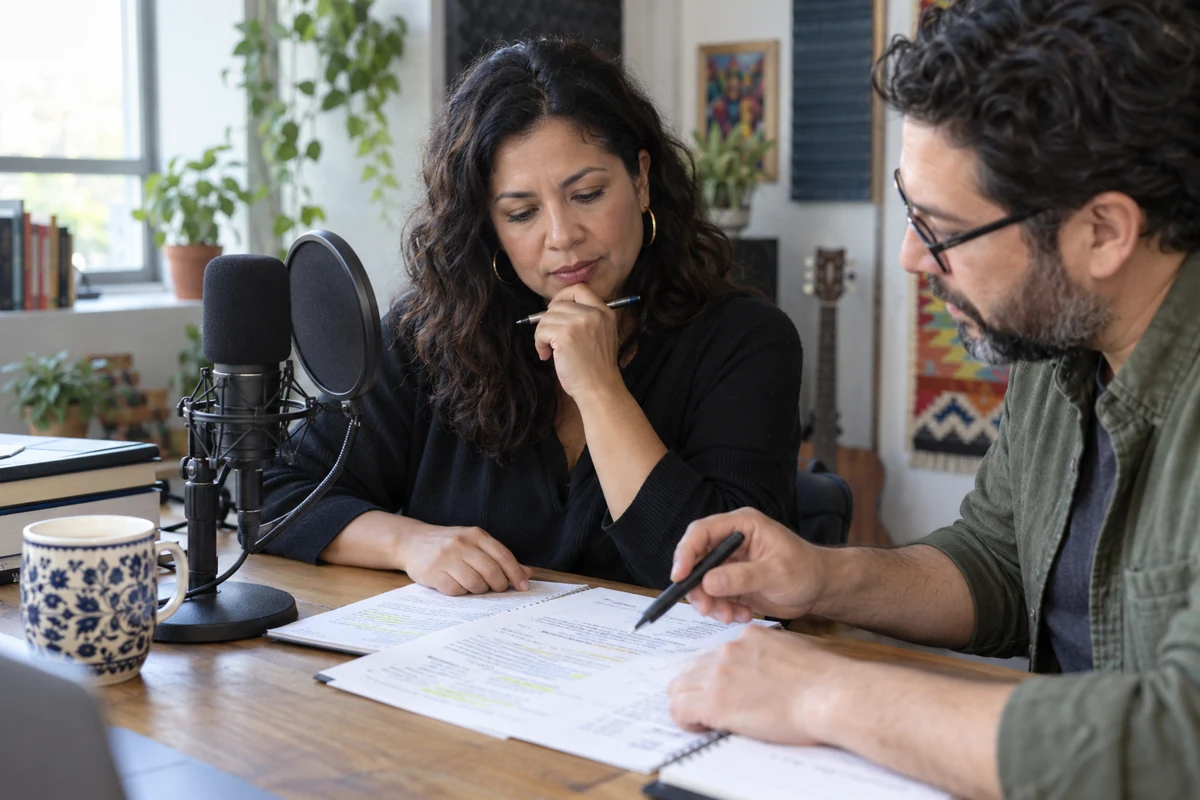
An author listening closely to a reader while discussing a manuscript.

You can care deeply and still need a plan

I would start with the person your book is for. What are they living through? What have they already tried? What would you want them to understand before they make another decision?

You may be carrying more than an idea. There is the fear of being misunderstood. The worry that promoting your work will make it feel smaller. And the very practical question of how much time and money you can give this without taking too much from the people who already depend on you.

I do not need you to become a louder version of someone else. I want the useful part of your message to become easier to find, understand and act on.

Before anything else, name one reader

Here is the first step I would take with you. Finish these three sentences: “I want to help someone who…” “They are tired of…” “After reading my book, they could…”

Write the answers for one real kind of person. You do not need to send them to me. Keep them beside your outline. They will help you decide which stories belong, which explanations need more care and what can wait.

For example, you might want to help a new manager have a difficult conversation without humiliating the person across the table. That gives your book a human job: show what to say, how to listen and what to do when the conversation goes wrong. This is an illustration, not a client result.

An author listening to one potential reader and taking notes about her question.

Your book is your baby. The plan should respect what it costs you

A book can feel like giving birth to something you have carried for years. You are placing part of yourself in public. It asks for attention, money, patience and decisions you cannot make by looking at a word count.

Here is what I mean in practical terms: before you commit, we need to identify the work, the time you can protect, the investment and the decisions that remain yours. A useful plan also says what is outside the project.

If the available time or investment does not fit, that is a planning fact. It is not a verdict on the value of your message. You can use the open guides here to take a smaller step while you decide what support you need.

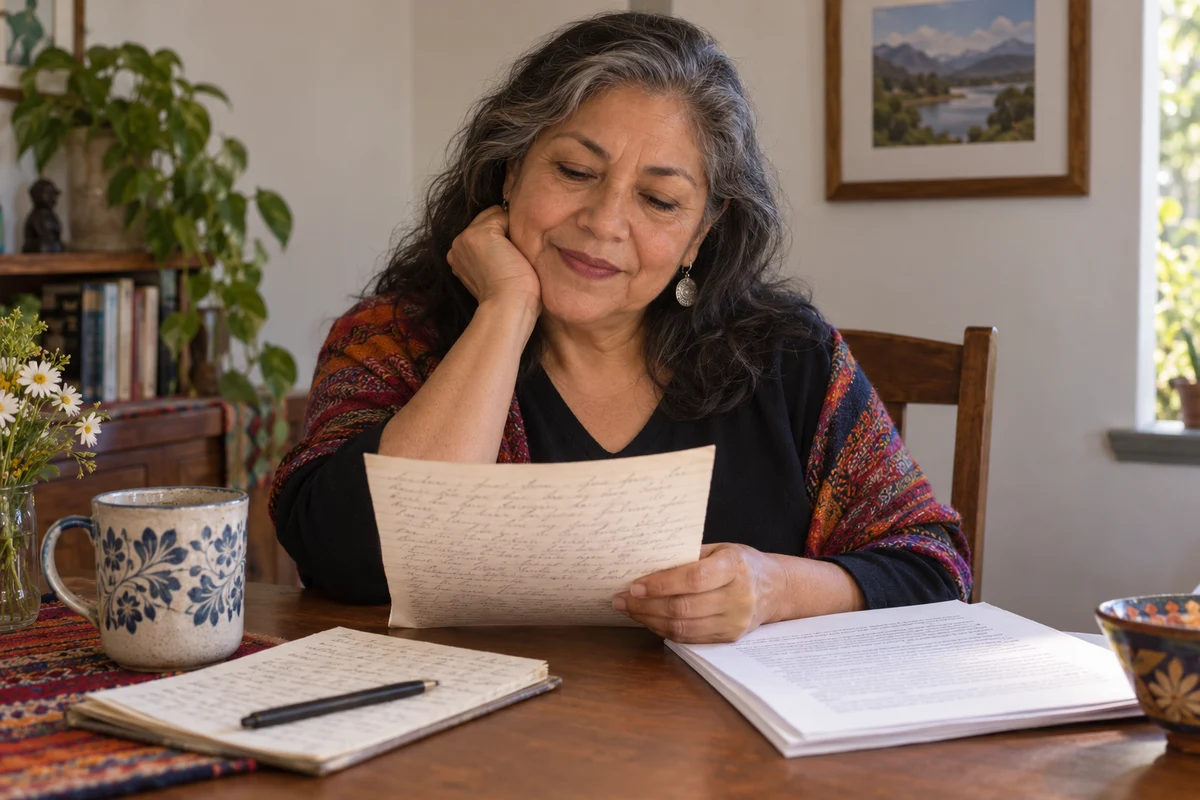
An author reflecting on the life experience and care behind her manuscript.

I want the structure to carry your voice

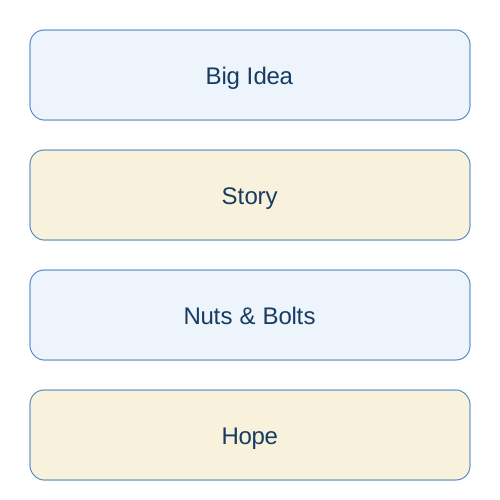
We begin with the idea you want the reader to understand. Then we find the story that makes it human, the practical teaching they can use and the hope that makes the effort worthwhile. Those are the four pillars: Big Idea, Story, Nuts & Bolts and Hope.

An outline gives those pieces a sequence. Editing tests whether the meaning reaches the reader. Your spoken warmth may need a different rhythm on the page; a transcript alone does not automatically become a finished book.

When a story involves another person, consider permission, privacy and what you can honestly claim. We can teach from an experience without turning someone else’s vulnerable moment into a sales device. Agree on manuscript review, approval and rights in the written scope before work begins.

Big Idea, Story, Nuts & Bolts, and Hope
An idea to understand. A story to recognize. A step to use. A reason to continue.

Helping the right reader take the next step

Your book can begin a relationship. A paid program can offer more sustained teaching to the reader who wants to put the ideas into practice. I would first ask what that reader needs beyond the book and whether your experience equips you to provide it.

For an existing book or a book you write yourself, we outline and write the accompanying paid program. In the studio route, your filmed teaching supplies the paid-training content. The format should serve your reader and fit the way you want to work.

The campaign includes a reverse opt-in program. The principle is to let useful content earn a reader’s interest before asking for an ongoing relationship. We need to make the next invitation clear: what they receive, what they are agreeing to and how they can decline. The exact offer and delivery sequence belong in the campaign plan.

I would measure whether people understand the message, choose to continue and use what you teach. Book sales and revenue can matter, but neither is a substitute for that fit. No campaign can guarantee income or a bestseller ranking.

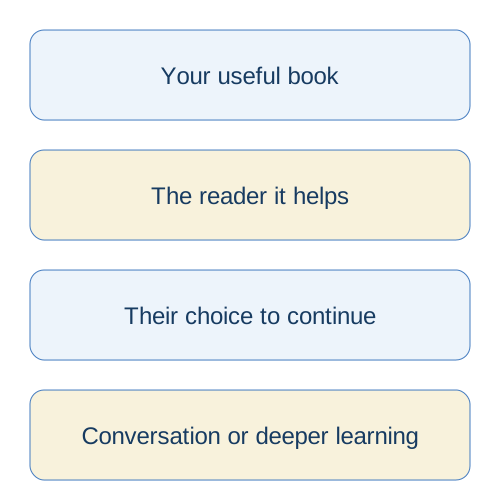
Your book reaches a relevant reader, who can choose a conversation or continued learning
The reader chooses whether to continue. The book still needs to be useful on its own.

Let’s protect the message as we build around it.

I want to understand who you hope to help and what they need from you. Custom Platform Building begins with Uncovery and a plan shaped around that relationship. Platform in a Box gives us a coordinated way to connect your book with continued learning. In either approach, I want your voice and your reader’s needs to guide the decisions.

Choose the kind of help that respects your way of working

If you already have a book, the $43,000 route builds from it. I would first examine whether its message and reader fit the paid program you want to create.

If you want to write the book yourself, the $53,000 route supports that author-written path without filming. We outline and write the accompanying paid program; you remain the author of the book manuscript.

If speaking helps you express the teaching, the $68,000 route combines outlining with studio recording. Those videos support the paid training. A recording week is a stage of production; the book and platform still need subsequent work.

These are the current program investments. Your written proposal should settle deliverables, author responsibilities, timing, payments and additional services before you commit. Publishing, retail distribution and paid bestseller campaigns need their own scope. I would not ask you to assume they are included.


Feel confident about the help you choose.

Your ideas should remain yours in tone and purpose. Before choosing help, look for how the work will respect your reader, your voice and the time you can give it. Client accounts and case studies can help you decide what to ask.

You deserve clear responsibilities, a way to review the work and a written scope before committing. Meet the people if that helps you feel comfortable, then bring the questions that matter to your project.

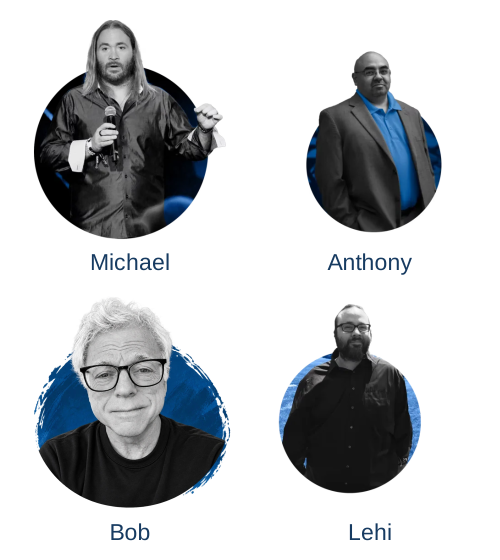
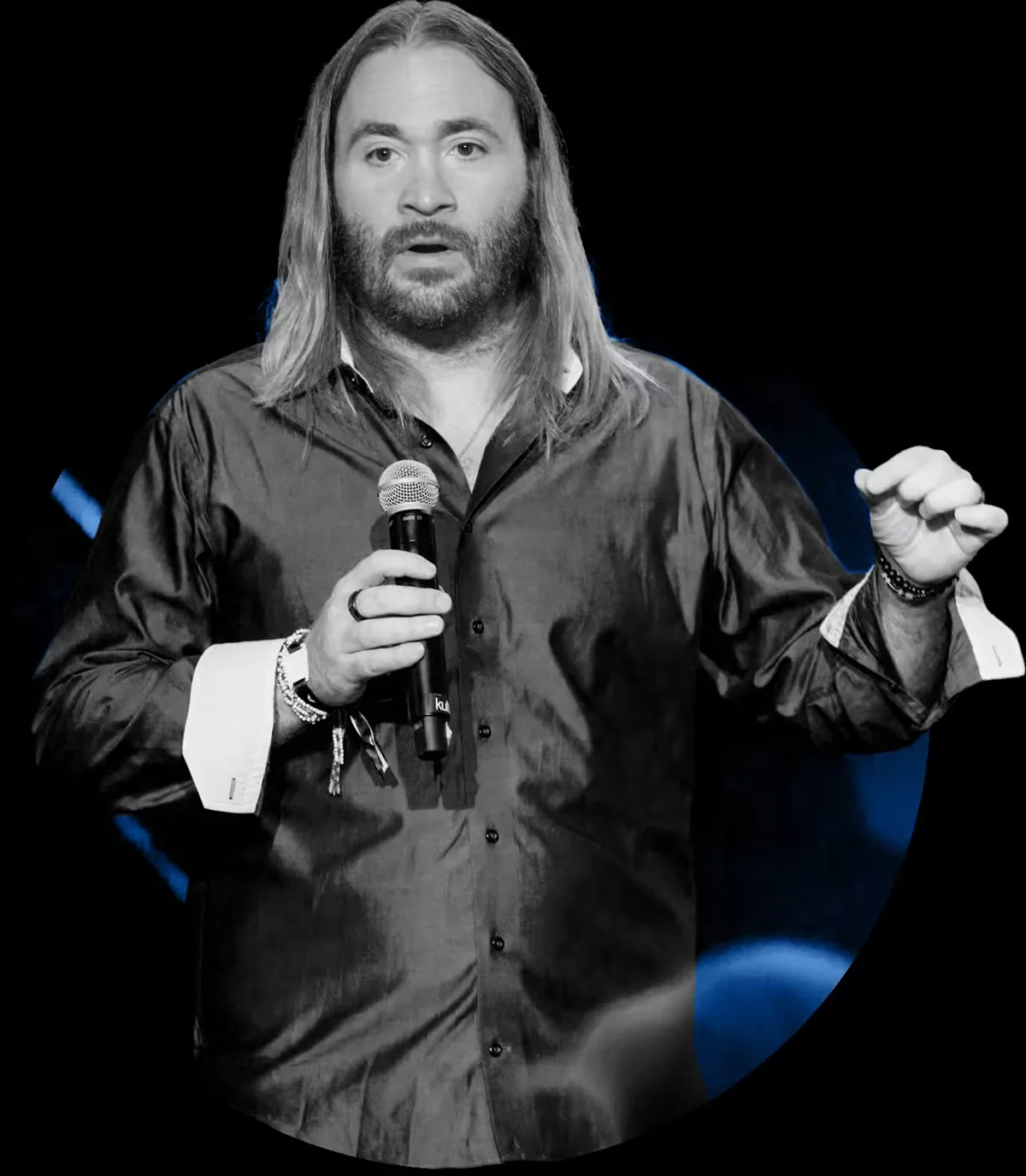
Michael, Anthony, Bob and Lehi, with genuine source portraits
Understand the people supporting your project when you want that context.

Tell me about the person you want to help

You can begin with three things: who your book is for, what you want it to help them do and where the book stands today. Add the question you most want answered. Share only the information you want my team to review; you do not need to include a private client story or a manuscript.

The link takes you to the application. Submitting your answers requests a review; it does not book an appointment, start a subscription or commit you to a program. If you would rather keep thinking, the writing and planning guides are here for you.

Your book deserves a thoughtful beginning. I would start with the people it could help—and build the next step from there.

Michael R. Drew

Inside Platform in a Box

Three ways to create or build from your book.

Illustration of an author connecting a book to her digital home
01

YOU HAVE A BOOK

Build from
your book.

You’ve done the writing. Now give your message a connected home and a clear path to your audience.

$43,000 program investment
  • Start with your existing book or manuscript
  • Develop your audience and message strategy
  • Build your author website and follow-up journey
  • We outline and write the paid program that accompanies your book
Explore this offer
Illustration of an author carefully reviewing the meaning of her own story
02

YOU WANT TO WRITE A BOOK

Write your book.
Build your platform.

You want to put the words on the page yourself. Build the platform around that writing journey.

$53,000 program investment
  • You author the manuscript through writing
  • Shape your message and content direction
  • Build your author website and follow-up journey
  • We outline and write the paid program that accompanies your book
Explore this offer
Illustration of an author carefully reviewing her message with a producer before recording
03

YOU WANT TO CREATE IT IN THE STUDIO

Outline it.
Record it. Build it.

Develop your book outline, then capture your ideas in the studio. We turn the recordings into a book and a library of content, with the filmed videos used for your paid training.

$68,000 program investment
  • Book outlining and studio preparation
  • 64 edited videos, 64 audios, and 64 blog posts
  • A fully edited book manuscript and photo shoot
  • Filmed videos used for your paid training
  • Your author website and follow-up journey
Explore this offer

Compare the three programs

Swipe or scroll sideways to see all columns. You can also focus the table and use the left and right arrow keys.

Choose by how your book comes to life
Your starting pointExisting bookAuthor-written bookStudio-created book
Book creationBook supplied by youYou write the manuscriptOutline, record, transcribe, edit
Studio filming for the bookScoped separately if neededNoIncluded
64 videos + 64 audios + 64 postsContent scope set in proposalContent scope set in proposalIncluded
Paid program accompanying the bookWe outline and write itWe outline and write itFilmed videos used for paid training
Reverse opt-in campaignIncludedIncludedIncluded
Author website + follow-upIncludedIncludedIncluded
Investment$43,000$53,000$68,000
Offer detailsI already have a bookI want to write my bookI want to outline and record