When you need to understand the whole plan

I want you to see the plan before you invest.

Before you commit your time and money, I want you to see how the work fits together.

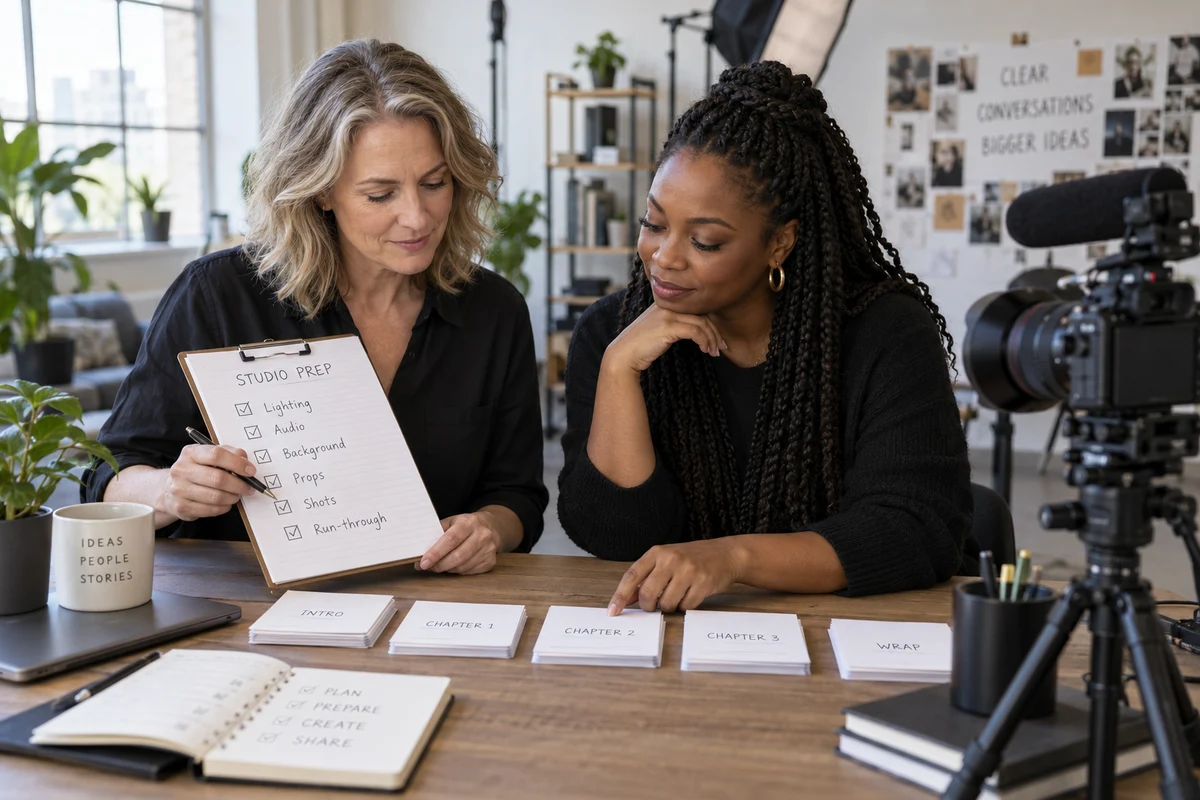
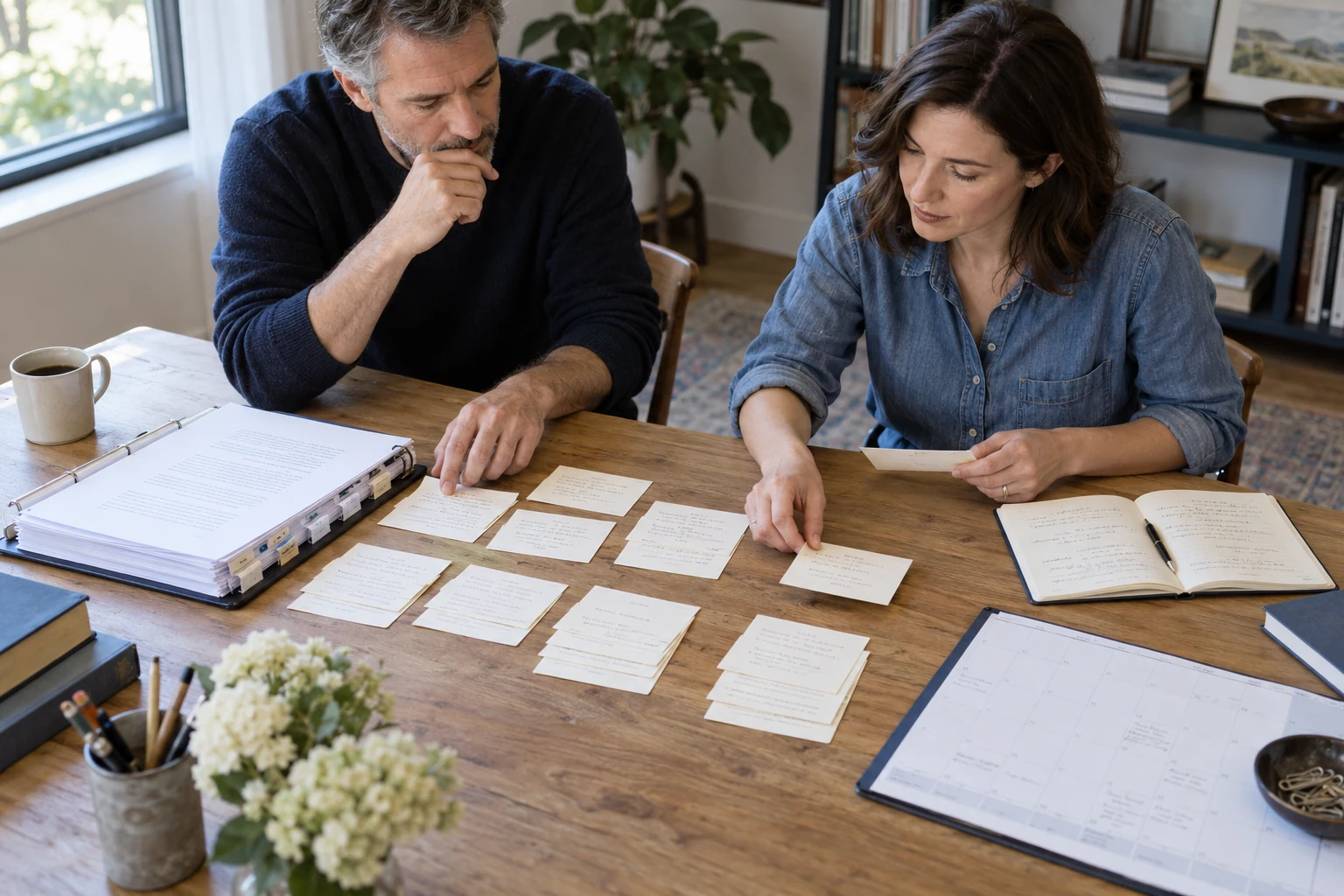
An author and editor putting chapter cards and project decisions in order.

You should be able to explain the investment.

You may have a good book idea and a perfectly reasonable hesitation: you can’t yet see the full project. Who writes? What gets filmed? What happens after the manuscript? How much time will you need to protect?

I take those questions seriously. Bringing a book into the world can feel like bringing a baby into the world: you care about it long before anyone else meets it. There’s emotion in that decision, and there’s a budget and a calendar. You deserve a plan that respects all three.

Here’s where I’d begin with you: the book you want to create, the person it must help, and the job you want it to do after publication. That gives us a basis for choosing the work.

Start with three decisions you can make now.

First, name the reader and the problem your book helps them solve. Write one sentence: “My reader needs help with ___ so they can ___.” If the blank is too broad, we have an outlining question to resolve.

Second, state what already exists: a published book, a draft, an outline, or ideas you explain well out loud. I won’t treat an existing book as a reason to start everything over.

Third, list the constraints: time you can devote to writing or recording, the investment you can consider, and the business or personal commitments the project must fit around. You can do this on paper before sending me anything.

Three groups of idea cards representing the reader, purpose and creation route.

See the sequence before choosing the package.

I begin with your idea, reader, and purpose. Then we outline the teaching so the book has a clear path: Big Idea, Story, Nuts & Bolts, and Hope. The story helps the reader care; the practical teaching helps them act.

Next we produce the manuscript and supporting content through the route you choose. We plan the website around the questions your readers ask, then connect useful content to a reverse opt-in sequence and the paid teaching that follows.

By reverse opt-in, I mean we give the reader useful material before asking for their contact details. A reader who wants the next step can then choose to continue the relationship. The invitation needs to be clear, and the material needs to earn it.

Before work begins, your written proposal needs to identify deliverables, your responsibilities, our responsibilities, review points, timing, payments, and any systems that must connect. I would rather resolve those questions while you can compare choices.

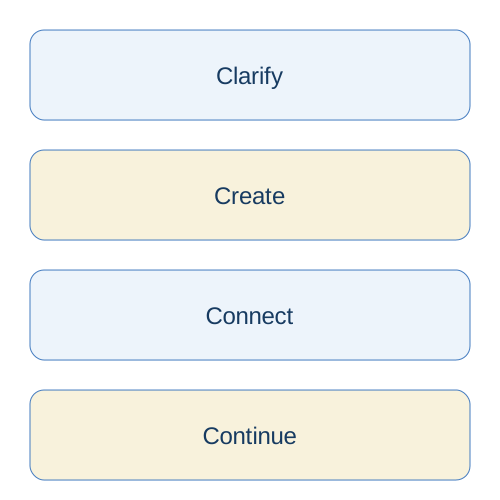
Clarify, create, connect, continue
Timing, reviews and responsibilities are agreed in the proposal.

Understand the approach before you choose the route.

There are two service choices. Custom Platform Building begins with Uncovery and a tailored proposal. Platform in a Box has three book creation routes with published investments. I want you to understand the proposed work, your responsibilities, the review points and any separate costs before you commit.

Choose the route by how you will create the book.

Existing book — $43,000. We start with the book you have and build the platform around it. We also outline and write the accompanying paid program. Your existing material is the starting point for the scope discussion.

You write the book, without filming — $53,000. You remain the author doing the writing. We help structure that route and build the platform around the book. We outline and write the accompanying paid program; recording is not required for this option.

Book outlining and studio recording — $68,000. We outline your ideas, capture your teaching in the studio, and develop the material into the book and supporting content. The proposal specifies 64 videos, 64 audios, and 64 blog posts for this studio route. The filmed videos also provide the paid training.

The studio proposal describes a week of recording. That is one production stage, not a promise that your book, website, training, and campaign are complete in a week. The whole-project schedule depends on preparation, editing, review, and your agreed scope.

All three routes include a reverse opt-in program. The listed investments are the current program figures; your written proposal confirms final scope and payment terms. Publishing, distribution, and paid bestseller campaigns are separate work.

Ask the questions that protect the project.

What must I supply? The proposal needs to list the manuscript or source material, decisions, and review work expected of you. A done-for-you component still needs your expertise and approval. I want that effort visible before you commit.

Who handles publishing? A manuscript and a platform do not automatically secure a publisher or distribution. We need to discuss your publishing model and whether that work belongs in a separate scope.

What does the paid program contain? For an existing-book or author-written route, we outline and write it. For the studio route, we use the filmed teaching. Its learning outcome, format, delivery system, and launch work need to be defined together.

What systems and costs sit around the content? The proposal includes website work and describes hosting, security, analytics review, follow-up sequences, and integration capabilities. Your agreement needs to identify the actual systems, included service period, external charges, and who maintains them. I don’t want software assumptions becoming budget surprises.

What happens when I need an answer or an edit? Ask for the project contact, approval sequence, review responsibilities, and revision terms in writing. Those details should be part of the decision, not something you discover halfway through.

An author asking questions about a project binder before agreeing to a scope.

Inspect a case for the mechanism, not just the headline.

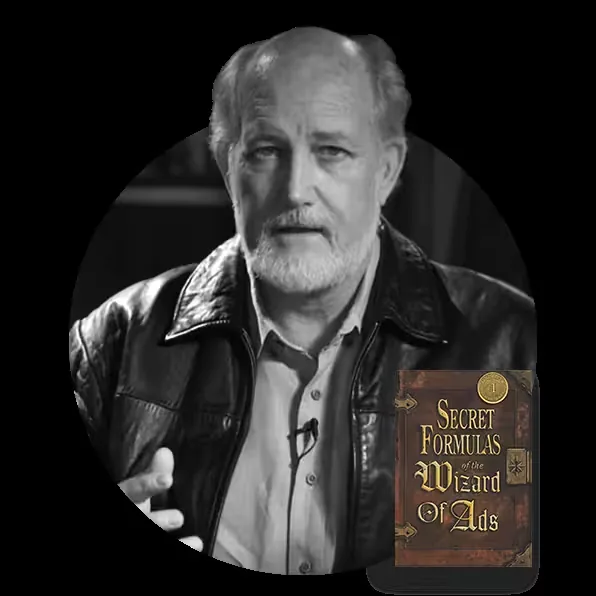
Roy H. Williams’ campaign connected his book with sales-team training at radio stations. Station managers had a practical use for the teaching, and salespeople had a practical use for the books. The case lays out the offer, the participants, and the historical outcome.

That is the sort of connection I want you to examine for your own work. Why would your reader want the next step? What does the paid program help them do? What has to be true for the book and the business to reinforce each other?

The archive includes separate bestseller and publishing work. I share it so you can inspect experience and ask better questions. It does not guarantee book sales, ranking, revenue, or a particular return on this program.

Roy H. Williams from the historical Book Retreat case archive
Roy’s historical case explains how the book and sales training worked together.

Your next step can be a scope question.

You don’t have to tell me you’re ready to buy. Tell me what you have, which creation route you’re considering, and the question you need answered before you can evaluate it. If you’re still undecided, say that.

The link opens the application. Tell my team about your book, reader, platform and the question you need answered; use the unsure options where you are still deciding. Submitting requests a review. It does not book an appointment, purchase a program or guarantee acceptance. I want you to understand the scope before you make a commitment.

Michael R. Drew

Inside Platform in a Box

Three ways to create or build from your book.

People checking project scope before committing
01

YOU HAVE A BOOK

Build from
your book.

You’ve done the writing. Now give your message a connected home and a clear path to your audience.

$43,000 program investment
  • Start with your existing book or manuscript
  • Develop your audience and message strategy
  • Build your author website and follow-up journey
  • We outline and write the paid program that accompanies your book
Explore this offer
Illustration of an author checking chapter order and her writing schedule
02

YOU WANT TO WRITE A BOOK

Write your book.
Build your platform.

You want to put the words on the page yourself. Build the platform around that writing journey.

$53,000 program investment
  • You author the manuscript through writing
  • Shape your message and content direction
  • Build your author website and follow-up journey
  • We outline and write the paid program that accompanies your book
Explore this offer
Illustration of an expert and producer checking a studio preparation plan
03

YOU WANT TO CREATE IT IN THE STUDIO

Outline it.
Record it. Build it.

Develop your book outline, then capture your ideas in the studio. We turn the recordings into a book and a library of content, with the filmed videos used for your paid training.

$68,000 program investment
  • Book outlining and studio preparation
  • 64 edited videos, 64 audios, and 64 blog posts
  • A fully edited book manuscript and photo shoot
  • Filmed videos used for your paid training
  • Your author website and follow-up journey
Explore this offer

Compare the three programs

Swipe or scroll sideways to see all columns. You can also focus the table and use the left and right arrow keys.

Choose by how your book comes to life
Your starting pointExisting bookAuthor-written bookStudio-created book
Book creationBook supplied by youYou write the manuscriptOutline, record, transcribe, edit
Studio filming for the bookScoped separately if neededNoIncluded
64 videos + 64 audios + 64 postsContent scope set in proposalContent scope set in proposalIncluded
Paid program accompanying the bookWe outline and write itWe outline and write itFilmed videos used for paid training
Reverse opt-in campaignIncludedIncludedIncluded
Author website + follow-upIncludedIncludedIncluded
Investment$43,000$53,000$68,000
Offer detailsI already have a bookI want to write my bookI want to outline and record